Stain Removal in Everyday Life: Practical Methods for Cleaner Fabrics, Surfaces, and Upholstery
Stain removal is one of those household tasks that can feel simple in theory and frustrating in practice. A spill happens in seconds, but the mark it leaves behind can seem impossible to erase. Whether you are dealing with food stains, ink spots, grease marks, wine spills, coffee rings, or pet-related accidents, effective stain removal depends on quick action, the right products, and the correct technique for each material. When handled properly, stain removal can restore clothing, carpets, furniture, and hard surfaces without unnecessary damage.
Many people assume that all stains require harsh chemicals, but that is not true. In fact, smart stain removal often begins with simple steps such as blotting, rinsing, and identifying the stain type before choosing a cleaner. The wrong method can set a stain permanently or damage the fabric finish, which is why understanding how stains behave matters so much.
In this article, we will explore proven stain removal strategies for a wide range of common messes. You will learn how to treat fresh stains, how to handle older set-in marks, and how to protect delicate materials while still getting excellent results. If you want cleaner fabrics and fresher-looking surfaces, these practical tips can make a noticeable difference.
Why Stain Removal Works Best When You Act Fast
The first rule of effective stain removal is simple: time matters. The longer a stain sits, the deeper it can penetrate fibers or seep into porous surfaces. Fresh spills are usually easier to lift because the residue has not yet bonded tightly with the material. This is especially important for items such as cotton shirts, upholstered chairs, and carpet fibers.
Fast stain removal also prevents spreading. Rubbing a stain aggressively may seem helpful, but it often pushes the stain deeper into the fabric and enlarges the affected area. Instead, blotting gently with a clean cloth can absorb excess liquid before any cleaner is applied. This small habit can dramatically improve your results.
Common Reasons Stains Become Harder to Remove
Several factors can make stain removal more difficult. Heat is one of the biggest problems, because washing or drying an item before the stain is fully removed can lock it in place. Oil-based stains, such as makeup and cooking grease, also cling strongly to fibers. In addition, stains containing dye, like wine, tea, or juice, often leave behind color even after the liquid is gone.
- Delayed treatment allows the stain to set.
- Heat exposure can permanently bond the stain to the fabric.
- Incorrect cleaners may spread or worsen the stain.
- Abrasive rubbing can damage the surface and push residue deeper.
For best results, stain removal should begin as soon as possible with the gentlest method that fits the material. That approach protects the item and increases the chance of full recovery.
Understanding Different Types of Stains
Not all stains are the same, which means stain removal should never rely on a one-size-fits-all approach. A protein stain behaves differently from a grease stain, and a dye stain responds differently than dried mud. Identifying the stain type helps you choose the best cleaning method and avoid wasting time on ineffective products.
Broadly speaking, stains fall into several categories. Food and beverage stains often include tannins, sugars, or pigments. Oil-based stains contain fat or grease and require detergents that break down oils. Protein stains, such as blood, sweat, or dairy, respond best to cool water and enzyme-based cleaners. Mineral and rust stains may need specialized treatments depending on the surface.
Stain Categories You Should Know
Understanding stain categories can improve stain removal across the home. Here are the most common types and their typical characteristics:
- Protein stains: blood, egg, milk, sweat, and other bodily fluids.
- Oil-based stains: butter, salad dressing, makeup, lotion, and grease.
- Tannin stains: coffee, tea, wine, fruit juice, and some sauces.
- Dye stains: colored drinks, markers, ink, and fabric transfer.
- Organic stains: mud, grass, food particles, and pet messes.
Once you recognize the type of stain, stain removal becomes far more strategic. Instead of guessing, you can use a targeted approach that saves time and protects the item you are cleaning.
Stain Removal on Clothing and Fabric
Clothing is one of the most common places where stain removal is needed. Shirts, pants, dresses, uniforms, and bedding all encounter spills, splashes, and everyday wear. Fabric stain removal depends heavily on the material, because cotton, polyester, wool, silk, and blends all react differently to cleaners and water temperature.
For most washable clothing, the safest first step is to blot away any excess liquid and rinse from the back of the stain with cold water. This helps push the stain out instead of deeper into the fibers. Then, apply a gentle liquid detergent or stain remover directly to the affected area and let it sit briefly before washing according to the care label.
Best Practices for Fabric Stain Removal
When handling fabric, a careful process is essential. Follow these practical stain removal steps for better results:
- Check the care label before using any product.
- Blot first to absorb as much stain as possible.
- Use cold water for protein stains and many fresh spills.
- Pre-treat with detergent or a fabric-safe stain remover.
- Air dry first to make sure the stain is gone before applying heat.
For delicate items, a spot test is wise. Apply the cleaner to a hidden area and wait to see if discoloration occurs. Safe stain removal is not only about getting the stain out; it is also about preserving the quality of the garment.
Helpful Tip for Set-In Fabric Stains
If the stain has already dried, soak the fabric in cool or lukewarm water with detergent before washing. For stubborn marks, repeat the process rather than using excessive force. Patience often improves stain removal more than scrubbing ever will.
Stain Removal on Carpets and Rugs
Carpets and rugs present special challenges because they trap liquid quickly and often have thick fibers that hold onto residue. Effective stain removal on carpets starts with prompt blotting using a white cloth or paper towel. Avoid colored cloths that may transfer dye onto the carpet during cleaning. The goal is to lift the stain without saturating the padding underneath.
Water alone may help with some spills, but many carpet stains require a combination of mild detergent, vinegar, or a carpet-specific cleaner. The solution should be applied sparingly and blotted repeatedly. Too much liquid can spread the stain or lead to odor and mildew problems.
Carpet Stain Removal Steps
- Remove solids gently with a spoon or dull edge.
- Blot the stain to absorb as much moisture as possible.
- Apply a cleaning solution suitable for the stain type.
- Blot again from the outside toward the center.
- Rinse lightly with clean water and blot dry.
- Let the area dry completely before walking on it.
For stubborn carpet stains, repeated stain removal attempts are better than one aggressive treatment. If you scrub too hard, you may damage the carpet pile or spread the stain deeper. Upholstery follows many of the same principles, but it may require even more caution due to fabric sensitivity.
What to Avoid on Carpets
Avoid bleach unless the carpet manufacturer specifically approves it. Also avoid over-wetting, because excess moisture can weaken backing materials and encourage lingering odors. Thoughtful stain removal protects both appearance and durability.
Stain Removal on Upholstery and Furniture
Upholstered furniture adds comfort and style to a home, but it is also vulnerable to spills, pet accidents, and everyday grime. Stain removal on upholstery should always begin by checking the fabric code or cleaning instructions if available. Some materials can handle water-based solutions, while others require dry-cleaning methods or professional care.
When you spot a stain on a sofa or chair, act quickly and avoid saturating the fabric. Use a soft cloth to blot the area, then apply a small amount of cleaner. Always work gently and maintain control over the amount of moisture used. The best stain removal results come from consistent blotting, not aggressive scrubbing.
Safe Upholstery Stain Removal Methods
Depending on the stain type, several household solutions may help. A mild detergent mixed with water can lift many fresh stains. White vinegar may help with odor-related marks or light discoloration. For grease stains, a small amount of dish soap may break down the oil more effectively. However, always test first and avoid harsh treatments on delicate fibers.
Stain removal on furniture should be approached with patience. If the stain remains after the first treatment, allow the area to dry and repeat the process rather than escalating too quickly. In some cases, professional upholstery cleaning may be the safest choice, especially for expensive or antique pieces.
Stain Removal for Kitchens, Bathrooms, and Hard Surfaces
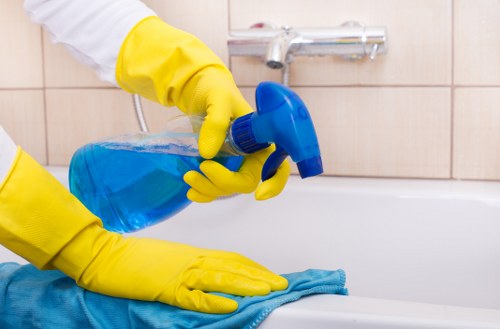
Stain removal is not limited to fabrics. Hard surfaces in kitchens and bathrooms also collect stains from soap, food, hard water, mildew, and everyday use. Countertops, sinks, tile, grout, and appliances can all develop marks that affect both cleanliness and appearance.
Because hard surfaces are less absorbent than fabric, stain removal often focuses on dissolving residue rather than pulling it out of fibers. That means the right cleaner, a little dwell time, and proper wiping technique are essential. Microfiber cloths, soft sponges, and non-abrasive cleaners usually work best.
Common Hard Surface Stains
- Hard water stains: often found on glass, chrome, and faucets.
- Soap scum: common in showers, tubs, and sinks.
- Food stains: tomato sauce, turmeric, coffee, and oil splashes.
- Mildew marks: especially in damp bathrooms and grout lines.
- Rust spots: may appear around fixtures or metal containers.
For many of these, stain removal is improved by letting the cleaning agent sit for a short period before wiping. This helps loosen buildup and reduces the need for pressure. On delicate finishes, such as polished stone or stainless steel, always use approved products to avoid dullness or etching.
Important: Never mix cleaners unless the label specifically allows it. Certain combinations can create dangerous fumes or damage the surface. Smart stain removal is as much about safety as it is about appearance.
Natural Stain Removal Solutions vs. Commercial Products
One of the most common questions about stain removal is whether natural cleaners work as well as store-bought products. The answer depends on the stain, the surface, and the level of buildup. Natural options like baking soda, vinegar, and lemon juice can be helpful for light staining and odor control. Commercial stain removers, however, are often more effective on tougher or specialized marks.
Baking soda is useful for absorbing odors and lifting mild residue. Vinegar can help break down mineral deposits and some food stains. Dish soap is excellent for grease-related stain removal because it targets oils. Commercial enzyme cleaners are especially helpful for protein stains and pet messes, while oxygen-based products often work well on organic discoloration.
Choosing the Right Cleaner
Choose your cleaner based on the stain rather than relying on a single product for every situation. Here are some practical pairings:
- Grease stains: dish soap or degreasing cleaner.
- Wine and coffee: oxygen-based cleaner or fabric-safe stain remover.
- Protein stains: enzyme cleaner and cold water.
- Mineral stains: vinegar or specialized descaler where appropriate.
- Odor-related stains: baking soda and enzyme treatments.
Natural stain removal methods can be excellent for maintenance and mild spills. For older, set-in, or high-value items, a more targeted formula may provide better results. The best approach is often a balance of both.
Stain Removal Mistakes That Make Things Worse
Even with good intentions, it is easy to make stain removal less effective by using the wrong process. One of the most common mistakes is rubbing the stain too hard. Another is using hot water on stains that respond better to cold, especially protein-based stains. A third mistake is skipping the spot test and risking discoloration.
Another frequent problem is using too much product. More cleaner does not always mean better stain removal. Excess detergent may leave a sticky residue that attracts new dirt. Likewise, trying every product at once can create chemical reactions or cause surface damage. Keeping the process controlled and methodical usually leads to better outcomes.
Top Mistakes to Avoid
- Rubbing aggressively instead of blotting.
- Using heat before confirming the stain is gone.
- Mixing incompatible cleaners.
- Applying too much liquid to carpets or upholstery.
- Ignoring fabric care labels and surface instructions.
Good stain removal is a skill built on observation and restraint. The more carefully you approach each stain, the more likely you are to remove it without causing collateral damage.
Preventive Habits That Reduce Future Stains
While stain removal is important, prevention can save time and effort. Small habits can dramatically reduce the number of stubborn stains you encounter. Using placemats, coasters, and protective covers helps minimize exposure. Quick cleanups after meals or spills also prevent residue from setting.
For clothing, pretreating collars, cuffs, and high-contact areas may reduce buildup over time. In kitchens, wiping counters and stovetops after cooking helps prevent grease stains and discoloration. In bathrooms, regular cleaning can keep soap scum and mineral deposits from becoming stubborn problems.
Smart Prevention Tips
- Keep stain tools handy: cloths, mild detergent, and paper towels.
- Treat spills immediately when possible.
- Wash items promptly instead of letting them sit dirty.
- Use fabric protectors on some upholstery and carpets.
- Rotate and clean frequently used items to reduce buildup.
These simple routines make stain removal easier in the long run. Fewer set-in stains means less scrubbing, less frustration, and better preservation of your belongings.
When Professional Stain Removal Makes Sense
There are times when professional stain removal is the safest and most effective option. This is especially true for expensive fabrics, delicate upholstery, antique rugs, structured garments, and stains that have already been treated incorrectly. Professionals have access to specialized equipment and cleaners that may not be practical for home use.
Professional stain removal can also be helpful for large areas such as wall-to-wall carpeting or heavily stained furniture. If a stain has soaked deeply into padding or backing, home methods may only address the surface. In those cases, expert treatment may save the item and prevent long-term damage.
Signs You Should Seek Expert Help
- The stain keeps returning after cleaning.
- The material is delicate, expensive, or irreplaceable.
- The stain covers a large area.
- You are unsure which cleaner is safe to use.
- The stain has created an odor or caused structural damage.
If you want lasting results, do not wait until a stain becomes permanent. Book your service now when the item requires advanced treatment, or contact us today to discuss the best stain removal approach for your situation.
Conclusion: Better Stain Removal Starts with the Right Approach
Stain removal does not have to feel overwhelming. Once you understand stain types, surface sensitivity, and the importance of fast action, the process becomes much more manageable. From clothing and carpets to upholstery and hard surfaces, the right technique can restore appearance and extend the life of the things you use every day.
Remember that successful stain removal depends on patience, proper blotting, suitable cleaners, and a willingness to repeat gentle treatments when needed. Whether you prefer natural solutions or commercial products, the key is matching the method to the stain. With the right habits, you can keep your home fresher, cleaner, and more inviting.
Take action today: the sooner you address a spill, the better your stain removal results will be. If you are dealing with a stubborn or high-value item, contact us today and book your service now for professional support.