Mattress Cleaning in : A Practical, SEO-Friendly Approach to a Healthier Sleep Space
Mattress cleaning in is one of those home care tasks people often postpone until stains, odors, or allergies make the issue impossible to ignore. Yet your mattress quietly collects dust, sweat, dead skin cells, allergens, and moisture every single night. Over time, that buildup can affect sleep quality, indoor hygiene, and even the lifespan of your bed. If you want a cleaner bedroom and a fresher sleeping environment, regular mattress cleaning in should be part of your routine.
Whether you are dealing with accidental spills, persistent odors, dust mites, or general wear and tear, mattress cleaning in can make a noticeable difference. A fresh mattress feels better, smells better, and supports a more comfortable night’s rest. It also helps reduce common triggers for irritation and can improve the overall cleanliness of the room. For households with children, pets, or allergy sufferers, proper mattress cleaning in is especially important.
In this article, we’ll explore the benefits, methods, and best practices for mattress cleaning in . You’ll learn how to keep your mattress in top condition, what mistakes to avoid, and when professional help may be the smarter choice. Book your service now if you need fast, effective results, or use these tips to improve your mattress care routine at home.
Why Mattress Cleaning in Matters
A mattress may look clean on the surface, but hidden buildup is often another story. Mattress cleaning in is important because mattresses absorb moisture from sweat, collect dust from the bedroom, and trap tiny particles that can affect air quality. Even if you change your sheets regularly, the mattress underneath can still harbor allergens and bacteria.
Regular mattress cleaning in can help extend the life of your bed and maintain a healthier sleep environment. This is especially relevant in warmer climates, humid conditions, or homes where windows are often open, because those environments can accelerate dust and moisture accumulation. A well-maintained mattress also retains its comfort and support for longer.
Another reason mattress cleaning in matters is odor control. Sweat, body oils, and spills can seep into mattress layers and create lingering smells. These odors are not just unpleasant; they can signal trapped moisture or contamination. By cleaning the mattress properly, you improve freshness and reduce the need for frequent replacement.
Common Problems Addressed by Mattress Cleaning in

Different mattresses face different challenges, but several common issues are frequently handled through mattress cleaning in . Stains, odors, dust mites, and allergens are among the most common concerns. Each one requires a slightly different approach, but all benefit from regular attention.
Typical mattress issues include:
- Dust and dust mites that accumulate in the fibers and seams
- Body sweat and oils that lead to discoloration and odors
- Food or drink spills that can set into the fabric
- Pet hair and dander that settle into the surface
- Mold or mildew risk caused by trapped moisture
- Allergen buildup that can aggravate sensitive sleepers
Mattress cleaning in can also reduce visible wear. Over time, the surface of the mattress may appear dull, uneven, or stained. Cleaning helps restore a more refreshed appearance and can make the bedroom feel more inviting.
It is worth noting that different materials—such as memory foam, latex, innerspring, or hybrid constructions—may require different treatment methods. That is why mattress cleaning in should always be done with care and the right products.
How Often Should You Schedule Mattress Cleaning in ?
The ideal frequency for mattress cleaning in depends on usage, household conditions, and personal health needs. As a general rule, a deep cleaning every six months is a good starting point for most homes. However, more frequent care may be needed if you have allergies, pets, children, or recent spills.
Light maintenance should be done more often than deep cleaning. For example, vacuuming the mattress surface, airing it out, and rotating it periodically can help reduce buildup between professional or intensive cleanings. This approach supports better hygiene and can prevent small issues from becoming bigger problems.
Here is a practical cleaning schedule many homeowners follow:
- Weekly: Change sheets and let the mattress breathe for a short period
- Monthly: Vacuum the mattress surface and inspect for stains
- Every 3–6 months: Carry out deeper mattress cleaning in
- Immediately: Treat spills, urine spots, or odor-causing accidents
If you notice increased sneezing at night, persistent smells, or visible stains, it may be time to prioritize mattress cleaning in sooner rather than later. Acting early usually makes the process easier and more effective.
DIY Mattress Cleaning in : What You Can Do at Home
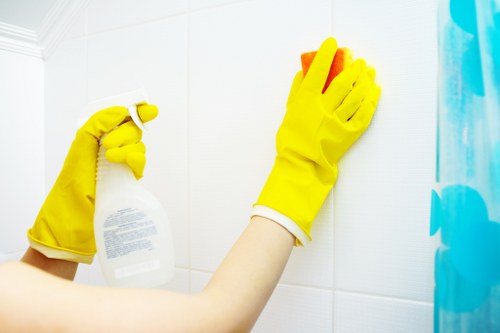
Many homeowners want to handle mattress cleaning in themselves, and that is often possible for light to moderate buildup. The key is using gentle methods and avoiding excess moisture. A mattress should never be soaked, because too much water can damage internal materials and encourage mold growth.
Useful home cleaning steps include:
- Vacuum thoroughly using an upholstery attachment to remove dust and debris
- Spot-clean stains with a mild cleaner suited to the mattress material
- Use baking soda to help neutralize odors and absorb moisture
- Air out the mattress by opening windows or using a fan
- Rotate or flip the mattress if the manufacturer allows it
For many people, baking soda is a simple and effective part of mattress cleaning in . Sprinkle a light layer over the surface, let it sit for several hours, then vacuum it away. This can help freshen the mattress and reduce lingering odors without harsh chemicals.
When spot-cleaning, blot rather than rub. Rubbing can push the stain deeper into the fabric and spread it across a larger area. Use a clean cloth, apply the solution lightly, and allow the mattress to dry completely before replacing bedding.
Professional Mattress Cleaning in : When It Makes Sense
Although DIY methods can be useful, professional mattress cleaning in often provides a deeper and more thorough result. Professional cleaners have specialized equipment designed to extract dirt, allergens, and moisture from mattress layers more effectively than household tools. This can be particularly valuable for heavily used mattresses or stubborn stains.
Professional mattress cleaning in is often a smart choice when you are dealing with deep odors, urine stains, extensive sweat marks, or allergy concerns. Experts can assess the mattress type and choose the right cleaning method, such as steam cleaning, dry cleaning, or targeted stain treatment. This reduces the risk of damage and improves the chances of a successful cleanup.
Another advantage of professional mattress cleaning in is efficiency. A skilled service can usually complete the job faster and with more consistent results, especially for larger households or multiple mattresses. Contact us today if you want a cleaner sleeping surface without the hassle of trial and error.
Methods Used in Mattress Cleaning in
There is no single method that fits every mattress. Mattress cleaning in may involve different approaches depending on the stain type, mattress construction, and level of buildup. Understanding the available methods can help you choose the right solution for your situation.
1. Vacuum cleaning
Vacuuming is usually the first step in mattress cleaning in . It removes dust, lint, hair, and loose debris from the surface and seams. This step is simple, but it plays a major role in improving hygiene and preparing the mattress for deeper treatment.
2. Spot treatment
For visible stains, spot treatment is often necessary. Mattress cleaning in may include the use of mild detergent, enzyme solutions, or fabric-safe stain removers. The right product depends on whether the stain is organic, oily, or water-based.
3. Steam cleaning
Steam cleaning can be effective for sanitizing certain mattresses and reducing allergens. However, it must be used carefully. Too much heat or moisture can damage some materials, so this method is best handled by trained professionals familiar with mattress cleaning in .
4. Dry cleaning methods
Dry cleaning is useful when moisture must be kept to a minimum. Some mattress cleaning in services use low-moisture extraction or dry compounds to lift dirt and odors without soaking the mattress.
5. Deodorizing treatments
Odor removal is a major part of mattress cleaning in . Deodorizing treatments may include baking soda, enzyme-based formulas, or other odor-neutralizing solutions that target smells at the source rather than masking them.
Best Practices for Safe Mattress Cleaning in
Safety matters when cleaning a mattress. Using the wrong product or too much liquid can create bigger problems than the stain itself. Following best practices helps preserve the mattress and protects your investment.
Always check the care label before starting mattress cleaning in . Manufacturer instructions may specify whether the mattress can be steamed, spot cleaned, or only vacuumed. If the mattress contains memory foam or specialty layers, extra caution is important.
Other best practices include:
- Test cleaning solutions on a small hidden area first
- Use minimal moisture to avoid saturating the mattress
- Allow full drying time before making the bed
- Keep the room ventilated during and after cleaning
- Avoid mixing cleaning agents that may react poorly together
Remember that mattress cleaning in should improve cleanliness without causing damage. If a stain persists after a few gentle attempts, it may be better to stop and consult a professional rather than over-treating the fabric.
Mattress Cleaning in for Allergy and Asthma Relief
For allergy or asthma sufferers, mattress cleaning in can make a meaningful difference in nightly comfort. Mattresses are one of the most common places for dust mites, pet dander, pollen, and other allergens to accumulate. Even if the bedroom looks tidy, those irritants may still be present in the bedding and mattress layers.
Deep mattress cleaning in helps reduce allergen exposure by removing particles that can trigger symptoms. Vacuuming, hot-water extraction where appropriate, and thorough drying can all support a healthier sleep space. Pairing mattress cleaning with protective covers and regular sheet washing is even better.
For sensitive sleepers, the benefits can include fewer nighttime disruptions, less sneezing, and a more comfortable breathing environment. If allergies are a concern in your home, mattress cleaning in should be part of a broader indoor hygiene strategy that also includes curtains, carpets, and upholstery.
How to Maintain a Mattress After Cleaning
Once mattress cleaning in is complete, good maintenance helps keep the mattress fresh for longer. Small habits can significantly reduce the rate at which dirt and odors return. This makes future cleaning easier and helps preserve the mattress’s comfort.
One of the most effective maintenance tools is a high-quality mattress protector. It acts as a barrier against spills, sweat, and dust. Regular laundering of sheets and protectors also supports better results from mattress cleaning in .
Other maintenance tips include:
- Rotate the mattress periodically if recommended by the manufacturer
- Keep the bedroom dry and well-ventilated
- Avoid eating or drinking in bed when possible
- Vacuum the mattress surface every month
- Address spills immediately before they set in
Simple habits that protect your mattress
Consistency is key. The cleaner your routine, the less intense future mattress cleaning in will need to be. Small preventive steps often save time, money, and effort in the long run.
Why prevention matters
Preventive care reduces odor buildup, helps maintain structural integrity, and keeps your sleep environment more pleasant. That is why many households treat mattress cleaning in as an ongoing maintenance task rather than a once-in-a-while chore.
Choosing the Right Mattress Cleaning in Service
If you decide to hire help, it is worth choosing a service that understands mattress materials, stain types, and proper drying methods. Not every cleaning company offers the same level of care, and mattress cleaning in requires specialized attention.
Look for a provider that uses safe, fabric-appropriate products and explains its process clearly. A reliable service should be able to discuss the cleaning method, drying time, and expected outcome. It should also tailor the treatment to the mattress type rather than applying a one-size-fits-all solution.
Before booking mattress cleaning in , consider these points:
- Experience: Has the team handled different mattress types?
- Methods: Do they offer the right cleaning approach for your needs?
- Drying process: How long will the mattress take to dry?
- Safety: Are the products suitable for children, pets, and sensitive sleepers?
- Results: Can they address stains, odors, and allergen buildup effectively?
When you find the right option, mattress cleaning in becomes less stressful and far more effective. Book your service now if you want professional results and a fresher place to sleep.
Final Thoughts on Mattress Cleaning in
Mattress cleaning in is more than a cosmetic task. It supports better hygiene, helps reduce allergens, controls odors, and extends the life of your mattress. With the right mix of routine maintenance and deeper cleaning when needed, you can create a healthier and more comfortable sleep environment.
Whether you prefer DIY upkeep or professional services, the key is consistency. A clean mattress contributes to better rest, a fresher bedroom, and peace of mind. By treating mattress cleaning in as an important part of home care, you protect both your sleep quality and your investment in a good bed.
If your mattress needs attention right now, don’t wait until stains or smells become harder to handle. Start with a simple cleaning routine, and when deeper treatment is needed, contact us today to take the next step toward a cleaner, healthier bedroom.