Curtain Cleaning in the Modern Home: Fresh Fabrics, Healthier Spaces, and Lasting Style
Curtains do far more than frame a window. They soften interiors, reduce glare, improve privacy, and add color, texture, and personality to every room. Yet because they hang quietly in the background, curtain cleaning is often overlooked until dust, odors, and stains become hard to ignore. Regular curtain cleaning helps keep your living space looking polished while also supporting better indoor air quality and fabric longevity.
Whether you live in a busy family home, manage a rental property, or simply want your interiors to feel brighter and fresher, understanding curtain cleaning can make a noticeable difference. Different fabrics, linings, and hanging styles require different care, and the right approach can prevent shrinkage, fading, and damage. In this article, we’ll explore practical curtain cleaning methods, common mistakes to avoid, and the benefits of keeping your drapes in top condition.
From lightweight sheers to heavy blackout panels, every curtain fabric benefits from a cleaning routine. A clean set of curtains can transform a room instantly, making it feel more inviting and well maintained. If you’ve been searching for reliable curtain cleaning tips, fabric-specific advice, and reasons to prioritize this task, you’re in the right place.
Why Curtain Cleaning Matters for Every Home
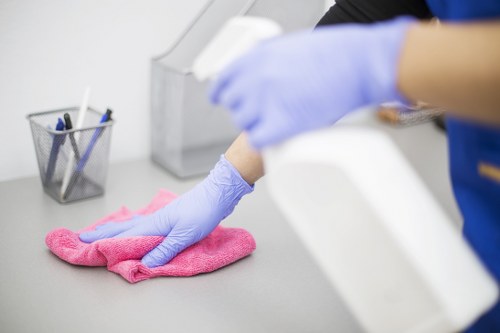
Curtains act like filters in your home. They trap dust, pollen, pet hair, cooking residue, smoke particles, and even moisture from the air. Over time, these particles collect in the fabric and can make the curtains look dull or discolored. More importantly, dirty curtains may contribute to allergic reactions, stale odors, and a generally less comfortable environment.
Curtain cleaning is not just about appearance. It is also about maintaining a healthier indoor space. When window treatments are ignored for too long, they can become a source of airborne irritants each time they are moved or disturbed. That is especially important in homes with children, pets, or anyone sensitive to dust.
Keeping curtains fresh also supports your interior design. Clean curtains allow natural light to flow more evenly, preserve the richness of the fabric, and help the room look organized and cared for. In other words, curtain cleaning is a small maintenance habit with a big visual and practical payoff.
Understanding Different Curtain Fabrics

Before you begin curtain cleaning, it helps to know what type of fabric you are dealing with. Each material has its own strengths and vulnerabilities, and what works for one set of curtains may ruin another. Always check the care label first, because it usually provides the safest cleaning method for that specific textile.
Common curtain materials include cotton, linen, polyester, velvet, silk, lace, wool blends, and lined or blackout fabrics. Cotton and polyester tend to be more forgiving, while silk and velvet usually require specialized handling. Curtains with thermal or blackout backing may have layers that respond poorly to excessive heat or harsh chemicals.
For many households, the best curtain cleaning strategy is a combination of routine maintenance and occasional deep cleaning. Light dusting or vacuuming can be done often, while full washing or professional treatment can be reserved for seasonal refreshes. Matching the method to the fabric prevents costly mistakes and keeps your drapes looking elegant for longer.
How Often Should Curtains Be Cleaned?

The ideal curtain cleaning schedule depends on usage, fabric type, and the environment around your home. In general, curtains should be dusted or vacuumed every one to two weeks and deep cleaned every three to six months. If you live in a dusty area, cook frequently, smoke indoors, or have pets, you may need to clean them more often.
Some rooms require more attention than others. Kitchen curtains absorb grease and food odors faster than curtains in a bedroom or guest room. Bathroom curtains may collect moisture, which can lead to mustiness or mildew. In living rooms, curtains often collect a combination of dust, sunlight exposure, and everyday handling, making regular curtain cleaning especially important.
A simple rule is to inspect the curtains visually and by smell. If they appear gray, have visible dust buildup, or carry lingering odors, it’s time for a refresh. Remember that waiting too long can make curtain cleaning more difficult, especially if stains have had time to set into the fibers.
Best Methods for Curtain Cleaning
There is no single best way to handle curtain cleaning because the right method depends on fabric, construction, and the level of dirt. Some curtains can be machine washed, while others need hand washing, steaming, spot treatment, or professional care. The goal is always the same: remove dust and stains without damaging the material.
For everyday upkeep, vacuuming with a soft brush attachment is one of the easiest and safest methods. It removes surface dust before it settles deep into the weave. A handheld steamer can also help freshen fabric, reduce wrinkles, and minimize odors. These methods are ideal for regular curtain cleaning between deeper cleans.
When curtains are visibly dirty, washing may be necessary. Always test for colorfastness first, and never assume a fabric is machine washable just because it feels durable. Clean curtains improve room hygiene, but over-washing can weaken fibers, so the process should be thoughtful and controlled.
Machine Washing Curtains

Machine washing is a convenient curtain cleaning option for many cotton, polyester, and some blended fabrics. Before washing, remove hooks, rings, and accessories if possible. Shake out the curtains outdoors or over a large surface to dislodge loose dust and debris.
Use a gentle cycle with cold or lukewarm water and a mild detergent. Hot water can cause shrinkage or color fading, especially in natural fibers. If the curtains are especially delicate, place them in a mesh laundry bag or pillowcase for added protection. This helps reduce friction and stretching during the wash cycle.
After washing, avoid over-drying. Hang the curtains while slightly damp so they can fall naturally and reduce wrinkles. If the care label allows machine drying, use low heat only. A careful machine wash can be an effective part of regular curtain cleaning, but only when the fabric is suitable for it.
Hand Washing Delicate Fabrics
Delicate fabrics such as silk, lace, embroidered curtains, or lightly adorned panels often need hand washing rather than machine cleaning. Fill a clean basin or bathtub with cool water and a small amount of gentle detergent. Submerge the curtain panels and move them gently through the water without twisting or wringing.
Hand washing allows greater control, which is valuable for curtain cleaning when the material is fragile. After soaking for a short time, rinse thoroughly until no soap remains. Excess detergent can attract more dirt later or leave a cloudy residue on the fabric.
To dry, press the water out carefully with clean towels and hang the curtains in a well-ventilated area. Avoid direct sunlight for delicate textiles, since it can cause fading. Hand washing may take more time, but it offers excellent protection for special curtains that you want to preserve.
Spot Cleaning Stains Before They Set
Accidents happen. Coffee splashes, fingerprints, pet marks, and cooking stains can all end up on curtains. Spot cleaning is often the fastest way to stop a small problem from becoming a permanent one. The key is to act quickly and treat the stain gently.
Start by blotting, not rubbing, the affected area with a clean cloth or paper towel. Rubbing can spread the stain and push it deeper into the fibers. Then apply a small amount of fabric-safe stain remover or diluted mild detergent to a cloth, and dab the area lightly. Always test in an inconspicuous spot first to make sure the color holds.
For persistent spots, repeat the treatment rather than using stronger chemicals right away. Gentle curtain cleaning methods are often more effective in the long run because they protect both the color and the weave. When dealing with grease or oil-based stains, a tiny amount of dish soap may help break down the residue.
Useful Spot Cleaning Tips
- Blot stains immediately to prevent spreading.
- Use minimal liquid to avoid water rings.
- Test cleaners on hidden areas first.
- Work from the outside of the stain inward.
- Allow the area to dry completely before repeating treatment.
Dry Cleaning and Professional Curtain Care
Some curtains simply should not be washed at home. Heavy drapes, lined fabrics, silk panels, and custom-made window treatments often need professional curtain cleaning. Dry cleaning is especially useful when the label specifies it or when the curtain construction is complex and may be damaged by water.
Professional cleaning offers the advantage of specialized equipment, fabric knowledge, and stain treatment techniques. It can also be the safest choice for expensive curtains, especially if they have pleats, embellishments, or structured linings. In many cases, curtain cleaning performed by professionals helps preserve the drape, shape, and finish of the fabric.
If your curtains are valuable or difficult to remove, professional care can save time and reduce the risk of damage. While it may cost more than at-home methods, the investment often pays off in longer fabric life and a cleaner overall result. For households that prioritize convenience and precision, this option is often worth considering.
How to Freshen Curtains Between Deep Cleans
Deep curtain cleaning is important, but it is not necessary to wash curtains constantly. Between major cleans, there are several easy ways to keep them fresh. Regular upkeep reduces dust accumulation and helps maintain a clean, polished appearance.
Vacuuming with a brush attachment is one of the simplest routines. Move slowly from top to bottom, paying attention to folds and seams where dust gathers. If the fabric allows, gently shake the curtains outdoors to release loose particles. This is a practical and efficient form of curtain cleaning that takes only a few minutes.
Steam can also refresh fabrics and reduce mild wrinkles. Use a garment steamer on a low setting and keep it at a safe distance from the curtain surface. Ventilating the room after steaming helps remove trapped odors and moisture. These small habits keep curtains looking fresh without demanding a full wash every time.
Everyday Maintenance Habits
- Dust window sills and curtain rods regularly.
- Open windows when weather allows to reduce stale air.
- Keep curtains away from direct contact with dirty walls or furniture.
- Address spills and stains immediately.
- Rotate seasonal curtains when possible to reduce wear.
These habits may seem simple, but they make a measurable difference. Consistency matters in curtain cleaning, and small routines often prevent larger problems later. When curtains receive regular care, they stay attractive for longer and require less aggressive treatment.
Common Mistakes to Avoid in Curtain Cleaning
Even well-intentioned curtain cleaning can go wrong if you rush the process or ignore the fabric care instructions. One of the most common mistakes is using too much detergent. Excess soap leaves residue that attracts more dust and can make the fabric feel stiff or dull.
Another frequent issue is high heat. Hot water, intense dryer settings, and direct sunlight can shrink fabrics or fade colors. Likewise, wringing or twisting curtains to remove water can distort their shape and damage delicate fibers. It is better to handle them gently and let gravity do the work during drying.
Skipping the label is another costly error. Care instructions exist for a reason, and ignoring them can turn a simple cleaning task into a fabric repair problem. A careful approach to curtain cleaning always starts with understanding the material, the backing, and the manufacturer’s recommendations.
What Not to Do
- Do not bleach unless the fabric specifically allows it.
- Do not scrub stains aggressively.
- Do not dry delicate fabrics on high heat.
- Do not assume all curtains are machine washable.
- Do not store damp curtains, as this can lead to mildew.
Special Considerations for Homes with Pets, Kids, or Allergies
Households with pets, children, or allergy sufferers often need a more proactive curtain cleaning routine. Pets shed hair and may brush against curtains with dirty paws. Children may leave handprints or accidental spills. Allergy-sensitive residents may be affected by dust and pollen trapped in fabric.
In these homes, regular vacuuming becomes especially valuable. Washing or professional cleaning may need to happen more frequently, particularly during allergy season or after seasonal changes. Choosing easy-care fabrics can also simplify maintenance. Polyester blends and washable cottons are often practical options for busy homes that still want stylish window treatments.
It is also smart to keep the surrounding environment clean. Air purifiers, routine vacuuming, and good ventilation can reduce the amount of debris that lands on curtains in the first place. Effective curtain cleaning works best when paired with an overall clean indoor environment.
Seasonal Curtain Cleaning and Room Refreshing
Many homeowners find that seasonal curtain cleaning fits naturally into their maintenance routine. Spring and fall are popular times to remove dust, wash panels, and inspect for fading, wear, or odor buildup. These seasonal resets often make the whole home feel fresher.
During spring cleaning, curtains can be aired out to remove winter stale air and dust. In autumn, cleaning prepares the home for colder months when windows may stay closed and indoor air circulation is reduced. Seasonal curtain cleaning also pairs well with redecorating, since freshly cleaned drapes can make furniture, flooring, and wall colors stand out more clearly.
Some people like to swap heavier curtains for lighter ones in warmer months, then reverse the process in winter. This not only changes the mood of the room but also makes it easier to maintain each set. Rotating curtains can reduce wear and extend the lifespan of both seasonal collections.
Benefits of Seasonal Scheduling
- Reduces dust buildup before it becomes visible.
- Makes stain removal easier.
- Improves room brightness and freshness.
- Extends the lifespan of fabric and lining.
- Supports allergy management and cleaner air.
Choosing the Right Products for Curtain Cleaning
The products you use matter just as much as the method. Harsh chemicals can weaken fibers, bleach dyes, or leave residues behind. For most curtain cleaning jobs, a mild liquid detergent is enough. When needed, use fabric-safe stain removers, oxygen-based cleaners for washable curtains, and upholstery-safe sprays for spot treatment.
A vacuum with a soft brush attachment, a lint roller, a steamer, and a few clean microfiber cloths are useful tools for regular upkeep. If you are cleaning delicate curtains, specialized fabric care products may be worth the investment. The best products are those that clean effectively without sacrificing texture, color, or drape.
Always aim for balance. Stronger products may promise quick results, but thoughtful curtain cleaning usually delivers better long-term outcomes. The right cleaner should support freshness, not create a new problem for the fabric.
The Value of Clean Curtains in Interior Design
Clean curtains do more than remove dust. They improve the entire look of a room. Fresh fabric hangs better, catches light beautifully, and complements furniture and accessories. When curtains are clean, colors appear richer and patterns more defined.
In design terms, curtains are often one of the largest textile surfaces in a room. That means any dust, wrinkles, or discoloration become noticeable quickly. Regular curtain cleaning preserves the soft, polished effect that curtains are meant to provide. If your goal is to make a room feel luxurious, welcoming, or serene, clean window treatments are essential.
Well-maintained curtains can also make smaller spaces feel brighter and more open. By allowing sunlight to pass through clean fabric and preventing shadows from dust buildup, you create a room that feels lighter and more intentional. This is one reason curtain cleaning is as much a design habit as it is a maintenance task.
Final Thoughts on Curtain Cleaning
Curtain cleaning is one of those home care tasks that pays off in multiple ways. It supports cleaner air, improves appearance, helps fabrics last longer, and keeps your living spaces feeling cared for. With the right techniques, you can handle many curtain types safely at home, while knowing when professional treatment is the better choice.
Whether you are refreshing lightweight sheers, maintaining heavy drapes, or tackling stubborn spots, the key is consistency. A little routine attention goes a long way. When curtain cleaning becomes part of your regular home care plan, the results are easy to see and even easier to appreciate.
If your curtains are overdue for attention, now is the perfect time to act. Review the care labels, choose the right method, and bring new life to your window treatments. Contact us today if you want expert help, or book your service now to keep your curtains looking their best.