Student flat cleaning Brunel University insider tips Uxbridge
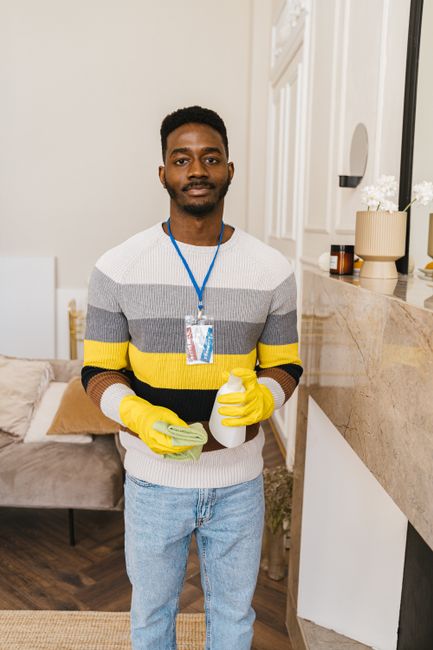
If you live in a student flat near Brunel University, you already know the rhythm: lectures, late-night meals, muddy shoes after a wet Uxbridge walk, and a kitchen that somehow gets messy again five minutes after you tidy it. That is exactly why Student flat cleaning Brunel University insider tips Uxbridge matters. Whether you are trying to avoid an end-of-tenancy headache, keep your shared place decent during term time, or get a flat back into shape after a housemate-heavy week, the right cleaning approach saves time, stress, and arguments.
This guide pulls together the practical stuff that actually helps. Not the glossy "just clean more often" advice. The real-world bits: how to divide jobs in a shared flat, what landlords tend to look for, how to deal with stubborn student-living mess, and when a professional clean can be the smarter option. A little planning goes a long way, honestly.
For deeper service support, you can also look at carpet cleaning, steam carpet cleaning, and stain removal if the usual wipe-downs are not enough.
Why Student flat cleaning Brunel University insider tips Uxbridge Matters
Student housing gets dirty in a very specific way. It is not just "messy"; it is layered. You get food splashes in the kitchen, damp shoes by the door, dust on shelves that nobody claims responsibility for, and the occasional mystery mark on a sofa arm. In a flat shared by three, four, or five people, small messes multiply fast.
That is why a focused approach to student flat cleaning near Brunel University matters more than a random Saturday blitz. If you wait too long, cleaning becomes harder, smellier, and far more annoying. Spilt milk on carpet is annoying today. A week later it is a job. A month later, well, let's just say the room has started telling its own story.
It also matters because student flats often sit at the intersection of everyday living and formal expectations. Landlords, letting agents, and housemates all have opinions. Some are fair, some less so. If you are moving out, the property should be returned in a clean, tidy condition consistent with the tenancy agreement. If you are staying put, regular cleaning helps you avoid build-up that can cause complaints, odours, or extra charges later.
Expert summary: The best student flat cleaning strategy is not one massive clean at the end. It is a simple routine, shared fairly, with a few targeted deep-clean jobs before problems become obvious.
In Uxbridge, where rainy days, busy commutes, and shared student schedules all collide, you will notice that the flats that stay easiest to manage are the ones with a clear system. Not perfect. Just clear. That is enough.
How Student flat cleaning Brunel University insider tips Uxbridge Works
At its simplest, student flat cleaning works best in three layers: daily reset, weekly clean, and occasional deep clean. This structure keeps the flat manageable and stops cleaning from becoming a full-day punishment session every time you look at the kitchen sink.
1. Daily reset: This is the quick tidy that keeps chaos from spreading. Wash or stack dishes, wipe the kitchen sides, open a window for ten minutes, and put shoes, coats, and bags back where they belong. It sounds obvious, but the daily reset is the reason a flat still feels liveable on Thursday evening.
2. Weekly clean: This is where you tackle the big touchpoints. Floors, bathroom surfaces, bins, fridge shelves, mirrors, sinks, and door handles. If you share with people who are always "too busy", assign the jobs anyway. Shared homes need shared standards. Not perfection, just honesty.
3. Deep clean: This is for the hidden stuff. Oven grime, sofa crumbs, mattress freshness, carpet spots, curtain dust, skirting boards, and stubborn stains that have been ignored for too long. In many student flats, the deep clean is what makes the biggest visible difference.
Professional help often fits into that third layer. For example, if the carpet has absorbed months of traffic from muddy trainers and takeaway spills, specialist steam carpet cleaning can make a room feel dramatically fresher. Likewise, a battered sofa may need upholstery cleaning, and food or drink marks may call for targeted stain removal.
To be fair, most students do not need a dramatic clean every week. What they need is a system that prevents the place from sliding downhill. That is the whole game.
Key Benefits and Practical Advantages
Good cleaning habits do more than make the flat look tidy. They solve real problems that students notice every day, often without realising the cause.
- Less stress before inspections: A flat that is already maintained does not require panic cleaning the night before someone visits.
- Better shared living: Nobody likes feeling like they are always the one wiping the kitchen. A routine reduces tension.
- Lower risk of stubborn stains: Fresh spills are much easier to remove than set-in marks on carpet, fabric, or mattress surfaces.
- Less odour build-up: Food, bins, shoes, and damp laundry all create smells that build slowly. You can fix them early.
- Improved move-out condition: A flat that has been maintained throughout the year usually needs less rescue work at the end.
- Better use of money: Spot treatment and regular upkeep can reduce the likelihood of last-minute, expensive panic bookings.
There is also a practical comfort factor. Clean floors feel different underfoot. Fresh bedding smells different when you walk in. A bathroom without limescale and toothpaste streaks is just a nicer place to start the day. Small things, but they stack up.
If your flat includes carpets, rugs, or sofas that have seen a full student year of use, it can make sense to compare options and see whether a single one-off clean or a broader package is better value. Useful starting points include pricing and quotes and about us if you want a clearer sense of the service approach before booking anything.
Who This Is For and When It Makes Sense
This topic is most relevant to students living in shared flats, studio accommodation, or rented houses around Brunel University and the wider Uxbridge area. It is especially useful if:
- you are moving in and want a proper clean before unpacking;
- you are moving out and need the place ready for inspection;
- you live with messy housemates and need a fair system;
- you have carpeted rooms, fabric sofas, or rugs that trap dirt;
- you have allergy concerns or dislike stale room smells;
- you are trying to avoid cleaning charges, complaints, or awkward deposit disputes.
It also makes sense if your flat has one "problem area" that keeps returning. Maybe it is the kitchen floor near the bin. Maybe it is the bathroom mirror and sink, which somehow always end up splattered. Or maybe the living room sofa has become a snack graveyard. Happens to the best of us.
If you are only staying for one term and know you will move again soon, you may not need a huge deep clean straight away. But if you are there for the long haul, the savings in effort and tension are worth it. Truth be told, most student flats benefit from a bit of prevention long before they need a rescue mission.
Step-by-Step Guidance
Here is a clean, practical workflow you can actually follow without overthinking it.
- Start with the highest-impact room. Usually that is the kitchen. Clear worktops, put away food, wipe the hob, and empty the bin.
- Deal with dishes first. You cannot clean around plates forever. Wash, dry, and stack them. Immediately the room feels more manageable.
- Remove loose clutter. Shoes, papers, packaging, chargers, and random mugs all create visual mess. Put them back in their place.
- Vacuum or sweep before wiping. Otherwise you just move crumbs around. Not ideal.
- Clean from top to bottom. Dust shelves, then surfaces, then the floor. It saves repeating work.
- Tackle bathroom hotspots. Sink, toilet, taps, shower screen, and floor edges. These are the places people notice fastest.
- Sort fabrics and soft furnishings. Check cushions, sofa arms, curtains, and mattresses for dust, hair, and spills.
- Spot-treat stains early. If a mark is fresh, blot it gently rather than rubbing it in. Rubbing is a classic mistake.
- Finish with ventilation. Open windows for a while. Fresh air changes the feel of a room more than people expect.
If the flat has stubborn carpet marks or smells that keep returning, consider whether the issue is beyond basic household cleaning. For example, pet-related smells, if applicable, usually need more than just fragrance spray. In those cases, targeted support like pet stain odour removal may be more appropriate than a surface wipe.
A small but useful habit: take photos of the flat before and after a big clean. Not for social media. Just for your own record and sanity, especially if you share responsibilities or expect a checkout inspection later.
Expert Tips for Better Results
These are the little tricks that separate a quick tidy from a genuinely effective clean.
Use a room-by-room reset rather than a whole-flat wander
Wandering from room to room with a cloth in your hand sounds productive, but it usually wastes time. Finish one area properly before moving on. You will feel the win quicker, too.
Clean the obvious things, then the hidden ones
Visible surfaces matter, but hidden buildup is what turns into smells and complaints. Think under the sofa, behind bins, under beds, and along skirting boards. A lot of student flats look "fine" until you shift a chair. Then, oh dear.
Make the kitchen a non-negotiable zone
If there is one room to prioritise every single week, it is the kitchen. Food residue attracts smells, insects, and disputes. Keep a pack of cloths, washing-up liquid, and a bin liner stash nearby so the job is easy to start.
Treat fabrics gently
Many shared flats have fabrics that students accidentally damage by using too much water, too much spray, or the wrong sponge. Always blot first. Test a product on a hidden area if you are not sure. No heroics needed.
Book specialist help before damage becomes permanent
There is a point where home remedies stop being helpful. Deep carpet marks, embedded dirt, mattress odour, and tired sofa upholstery usually respond better to professional methods than to another round of overconfident scrubbing. Services such as mattress cleaning, sofa cleaning, and rug cleaning can be a smart move if the furniture is part of the problem.
Keep one spare hour before any inspection or move-out
This is a small insider tip, but it saves panic. Leave a buffer. Cleaning always takes longer than the optimistic version in your head. Always.
Common Mistakes to Avoid
Students make the same few cleaning mistakes again and again. Fair enough, everyone is busy. But these are the ones that usually create extra work later.
- Waiting until the flat smells bad: By then, the job is bigger than a simple clean.
- Using too much product: More spray does not always mean better cleaning. Sometimes it just leaves residue.
- Scrubbing stains aggressively: This can spread the mark or damage the fabric.
- Ignoring soft furnishings: Curtains, sofas, and mattresses hold dust and odour more than people think.
- Cleaning the visible middle only: Edges, corners, under beds, and behind appliances matter.
- Assuming someone else will do it: Shared housing runs on communication. When that fails, mess wins.
- Forgetting the bin and recycling routine: Waste build-up is a guaranteed shortcut to smells.
One small human truth: the "I'll do it tomorrow" approach is responsible for a shocking amount of student flat chaos. Tomorrow arrives. The mess remains. Not ideal.
Tools, Resources and Recommendations
You do not need a giant arsenal of cleaning products. A small, sensible kit usually does the job better than a cupboard full of half-used bottles.
| Item | Best use | Why it helps |
|---|---|---|
| Microfibre cloths | Surfaces, mirrors, taps | Good for picking up dust and cutting through light grime |
| Vacuum cleaner | Carpets, rugs, sofas, under beds | Essential for crumbs, hair, and everyday dirt |
| Bucket and mop | Kitchen and bathroom floors | Keeps hard floors from building up sticky residue |
| Non-abrasive cleaner | Hobs, sinks, counters | Cleans without scratching most common surfaces |
| Stain treatment | Carpets, sofas, rugs | Helps on fresh spills before they set |
| Bin liners and gloves | Whole-flat reset | Makes the job quicker and less grim, frankly |
If you are deciding what is worth outsourcing, start with the surfaces that hold the most dirt and odour. Carpets and upholstered furniture are usually the biggest candidates. A helpful next step is to review pricing and quotes alongside the service pages for carpet cleaning and upholstery cleaning. That gives you a realistic sense of what might be worth doing now versus later.
For readers who care about business standards and trust, it can also be reassuring to look at pages like insurance and safety and health and safety policy. It is not exciting reading, granted, but it does matter when you are letting someone into a lived-in flat with furniture, flooring, and shared belongings.
Law, Compliance, Standards, or Best Practice
For student flat cleaning, the main legal and practical issue is usually the tenancy agreement and the condition the property is returned in. In the UK, tenants are generally expected to leave a rented property clean and in a reasonably similar state of cleanliness to when they moved in, allowing for fair wear and tear. That does not mean showroom perfect. It does mean sensible, tidy, and properly cleaned.
Best practice in shared student housing is simple:
- keep common areas reasonably hygienic;
- do not leave food waste or damp laundry lying around for long periods;
- treat stains quickly;
- avoid damaging fixtures, carpets, or upholstery with harsh products;
- read your tenancy terms before moving out so you know what level of clean is expected.
If a professional cleaner is booked, it is wise to check the service terms, payment approach, and privacy details before confirming anything. Useful pages for that include terms and conditions, payment and security, and privacy policy. If you have a concern later, complaints procedure is also worth knowing exists, even if you hopefully never need it.
There is also a sustainability angle worth mentioning. In shared student homes, using less product, reusing washable cloths, and sorting waste properly all reduces unnecessary waste. If that matters to you, the recycling and sustainability page is a useful place to understand the broader approach.
Options, Methods, or Comparison Table
Different flats need different cleaning methods. A quick comparison helps you decide what is sensible.
| Method | Best for | Pros | Limitations |
|---|---|---|---|
| DIY weekly clean | Routine upkeep, light mess | Cheap, flexible, easy to repeat | Can miss deep dirt and embedded odour |
| Room-by-room deep clean | Pre-move-out or post-party recovery | Detailed, visible results | Takes time and organisation |
| Professional carpet or upholstery clean | Stains, traffic marks, freshness | Targets stubborn issues, strong finish | Requires booking and budget |
| Targeted stain treatment | Fresh spills and isolated marks | Fast response, can prevent permanent damage | Not always enough for old stains |
If you are unsure which route to take, ask a simple question: is this a routine tidy-up, or is the problem locked into fabric, pile, or odour? If it is the second one, specialist treatment often makes more sense. For the typical student flat, a mix of DIY upkeep and occasional deep cleaning is usually the sweet spot.
Case Study or Real-World Example
Picture a Brunel student flat at the end of a busy term. Four housemates, one shared kitchen, one hallway that has seen more trainers than it ever wanted, and a living room sofa that has taken on the smell of chips, laptop chargers, and half-finished tea. Nothing dramatic. Just normal student life.
They had kept the place "mostly fine" through the term, which, to be fair, is already better than many shared homes. But just before moving out, they realised two things. First, the carpets in the bedroom corners had picked up a grey traffic line. Second, the sofa cushions looked clean from a distance but held onto stale odour when you sat down. A quick surface wipe would not fix that.
So they split the work. One person handled rubbish and clutter. Another managed the kitchen. The other two dealt with bedrooms and bathroom basics. They also booked specialist support for the softer surfaces that needed more than household cleaning. The result was a calmer checkout day, fewer arguments, and less last-minute stress. Nothing magical. Just sensible planning.
That is the pattern you see again and again. The flats that go well are not the ones with the fanciest products. They are the ones with an agreed routine and a realistic idea of what needs more than a cloth.
Practical Checklist
Use this checklist before a deep clean, inspection, or move-out. It is simple on purpose.
- Clear dishes, bottles, bags, and loose clutter from all shared areas
- Empty bins and replace liners
- Wipe kitchen counters, hob, sink, and appliance handles
- Clean bathroom sink, toilet, taps, mirror, and shower area
- Vacuum or sweep floors in bedrooms, hallways, and common areas
- Check carpets for visible marks and treat them promptly
- Inspect sofas, chairs, and cushions for crumbs or stains
- Air out the flat for a while to reduce stale odours
- Look at mattresses for freshness issues or spills
- Review tenancy expectations before the final handover
If there are soft furnishings that need attention, remember that services such as curtain cleaning and mattress cleaning can help round out the job rather than leaving one room still feeling tired.
Get a free quote today and see how much you can save.
Conclusion
Student flat cleaning near Brunel University does not need to be complicated, but it does need to be deliberate. A simple routine, a fair division of shared jobs, and a willingness to tackle stains early will save you far more trouble than one huge end-of-term panic clean. That is the insider truth, really.
If your flat has carpets, upholstery, or odour issues that basic cleaning cannot fix, a professional deep clean can be the difference between "acceptable" and genuinely fresh. And if you keep on top of the basics, you will probably need less rescue work than you think.
Clean enough to feel calm. Not perfect. Just calm. That is the goal, and honestly, it is a good one.
Frequently Asked Questions
What is the best way to clean a student flat near Brunel University?
The best way is to use a layered routine: daily resets, weekly cleaning, and occasional deep cleaning. Focus first on kitchens, bathrooms, floors, and shared touchpoints, then move to carpets and upholstery when needed.
How often should students deep clean a shared flat?
That depends on how many people live there and how much traffic the flat gets. Many shared homes benefit from a light weekly clean and a deeper clean every few weeks, with extra attention before inspections or moving out.
Do I need professional carpet cleaning for a student flat?
Not always. If the carpet only has light dust or surface dirt, vacuuming may be enough. If there are stains, smells, or worn traffic lines, professional carpet cleaning is often a better choice.
Can I remove old stains myself?
Sometimes, yes. Fresh stains are much easier to deal with than old ones. For set-in marks, use caution and avoid rubbing hard. If the stain is still visible after basic treatment, specialist stain removal is usually more effective.
What cleaning tasks matter most before moving out?
Prioritise the kitchen, bathroom, floors, bins, and any visible marks on carpets or furniture. Landlords and agents usually notice obvious dirt, odours, and damage first, so those areas deserve extra care.
How do I stop a shared flat from getting messy so fast?
Use a fair rota, keep cleaning items easy to reach, and do short resets every day. The key is to stop small messes from stacking up. Once clutter spreads, everything takes longer.
Are mattresses important to clean in student accommodation?
Yes. Mattresses can hold dust, sweat, and accidental spills, even when they look fine. If the room feels stale or the bed has visible marks, mattress cleaning can make a real difference.
What if my flat has a smelly sofa or fabric chair?
Soft furnishings can hold odour more than people expect. Vacuuming helps, but if the smell remains, upholstery cleaning is often the more reliable option.
Is steam cleaning safe for student carpets?
Usually, yes, when used correctly and on suitable materials. It is a strong option for many carpets, especially where you want a deeper refresh. If you are unsure about the fibre type, ask before booking.
What should I do if housemates do not clean?
Keep the conversation practical and specific. Agree on tasks, deadlines, and standards rather than making it personal. If needed, focus on your own area and document the overall condition before any move-out disputes.
How can I choose a cleaning service I can trust?
Look for clear service information, straightforward pricing, and transparent policies. It helps to check details such as about us, terms and conditions, and insurance and safety before making a decision.
Is student flat cleaning worth paying for at the end of term?
It can be, especially if the flat has carpets, upholstery, or a lot of shared wear and tear. Paying for targeted help may save time, reduce stress, and improve the final condition of the property.
Where can I ask for a quote or get more details?
You can review the service information and request further guidance through the site pages mentioned above, especially if you want help with cleaning carpets, sofas, mattresses, or stubborn stains. A quick check now often prevents a bigger mess later.